-
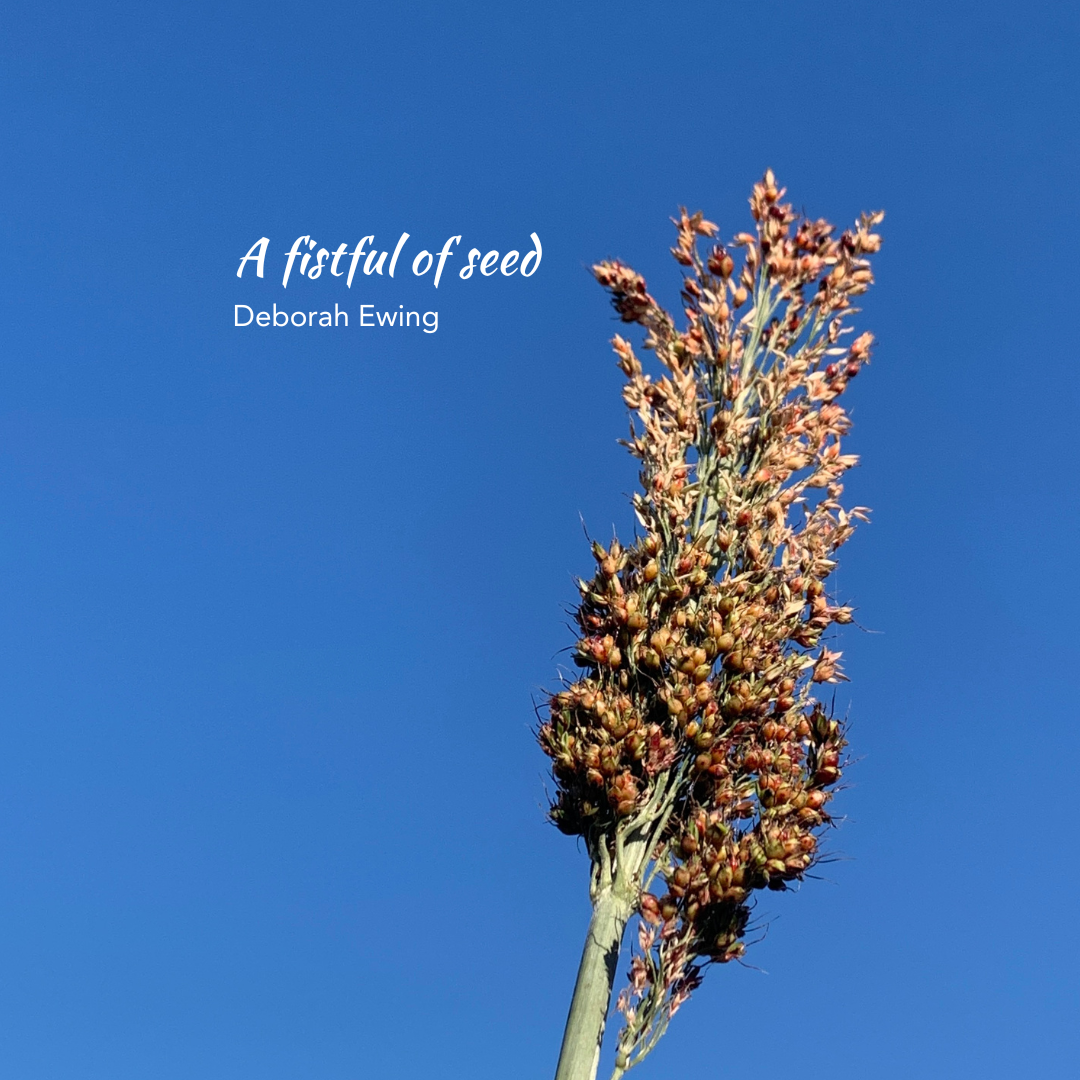
A Fistful of Seed
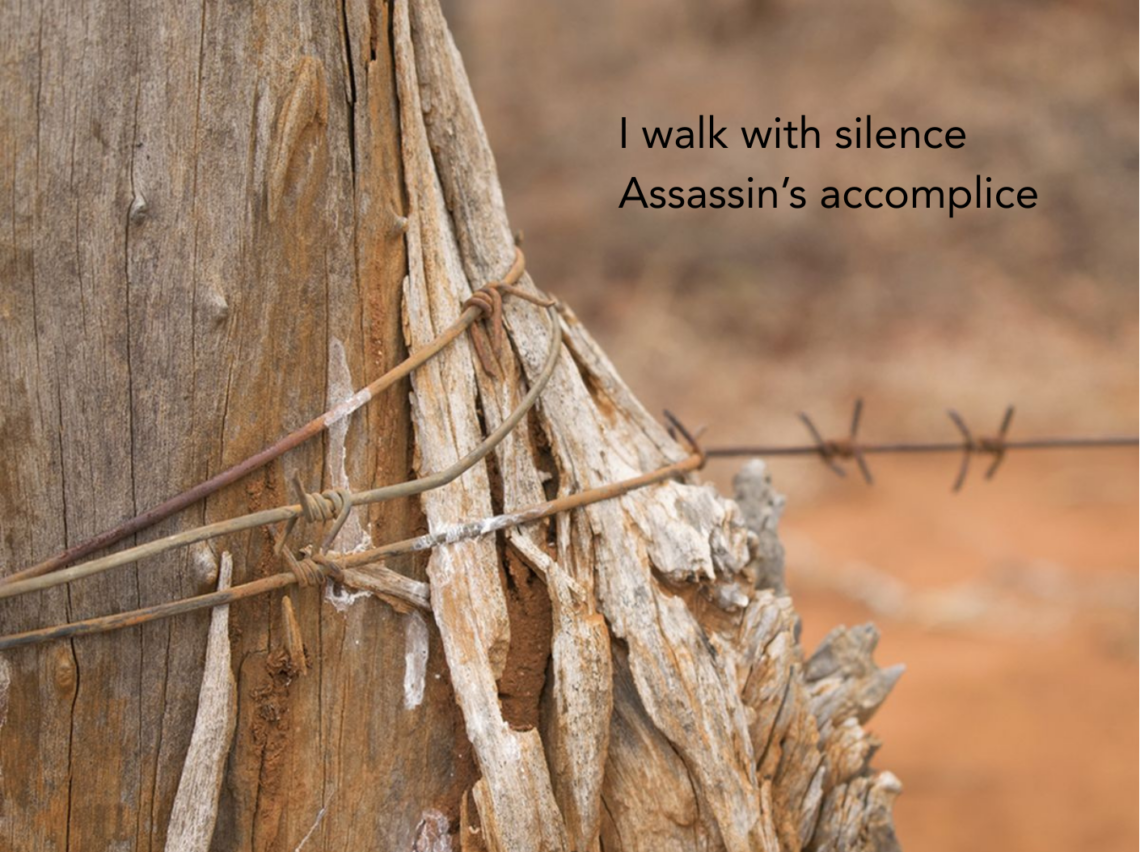
I took this photo of a sorghum panicle (seed head) during a visit with 30 children to a vegetable garden on a homestead in northern KwaZulu-Natal, South Africa. There was no sound but the their twinkling voices and scattered birdsong. Small children followed the farmer along narrow paths of soft, dark soil. On either side, raised beds of verdant spinach, intercropped with onions, mint, imbuya (green herbs), marigold and chilli. A boy pointed to the single sorghum plant and asked ‘Doesn’t that belong in the field?’ The farmer smiled. ‘Yes!’ she answered. ‘It’s there for the birds – something sweet to keep them away from my vegetables.’ Later, we gathered…
-
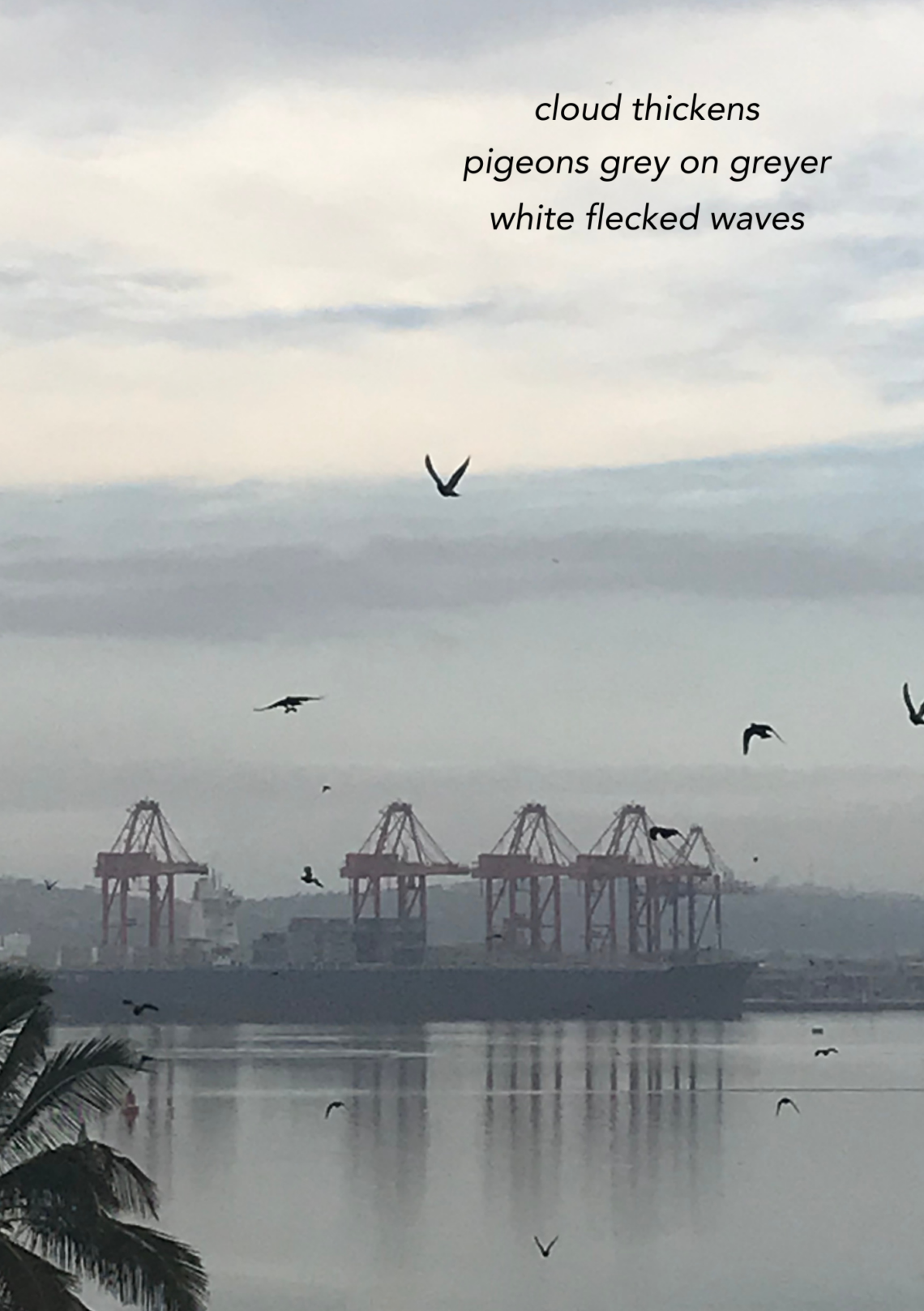
Excuse(s for) my haiku
Sometimes thoughts spill out in the syllabic structure of Haiku, hard-wired since childhood. I used to catch them and string them across notebooks or hang them on my phone. They swung in my mind, little satisfied smiles. What a shock to discover that Japanese sound units are closer to 10-14 syllables in English than the 17 (5-7-5) I was told! Not only was my Haiku ‘too long’, most of it was not Haiku! So here I am, stumbling through the field of broken rules in the hope of arriving at a clearing in my head...
-
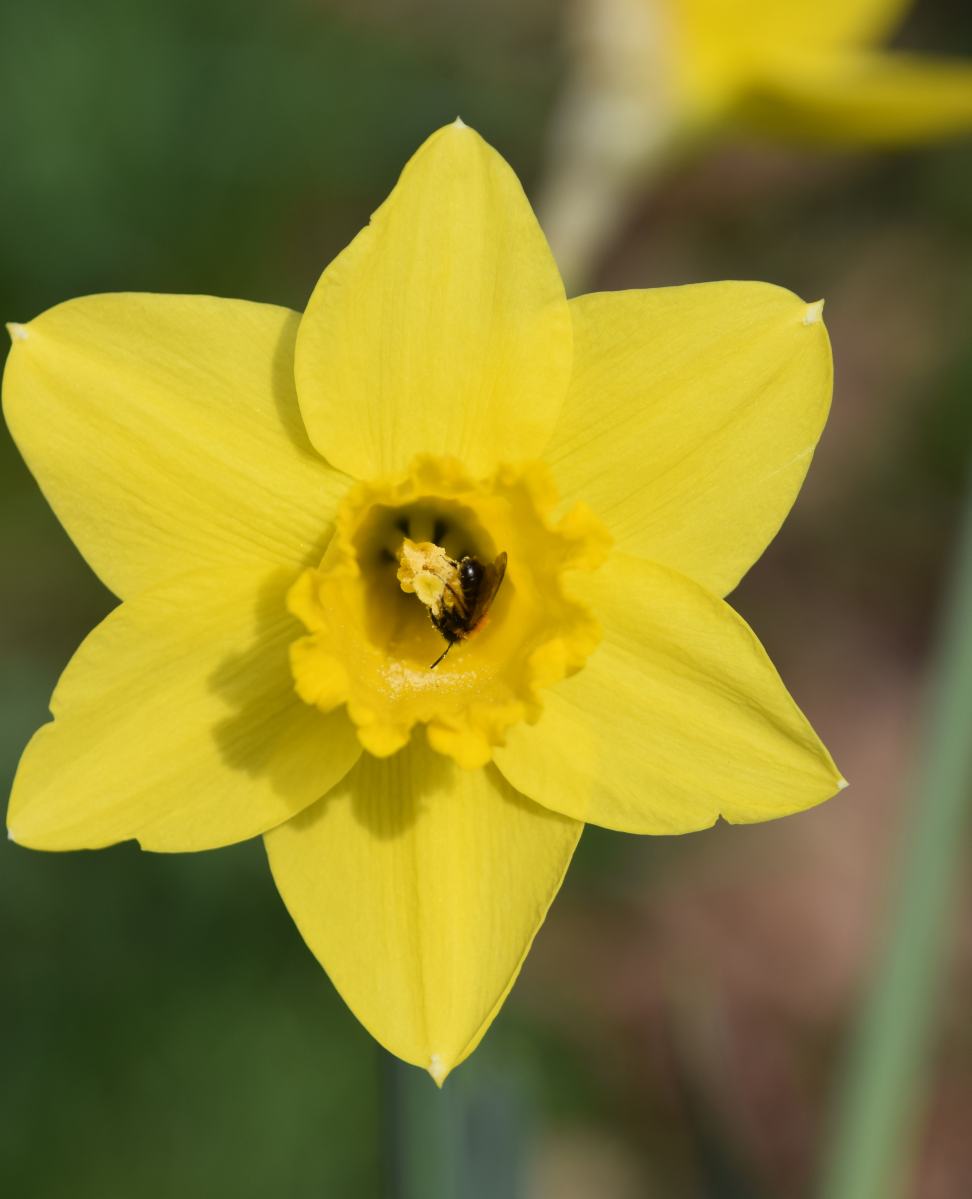
Where are Wordsworth’s daffodils?
Daffodil cultivation can produce fancy flowers of diverse hues – but that is not good news for honeybees.
-
Knowing our names
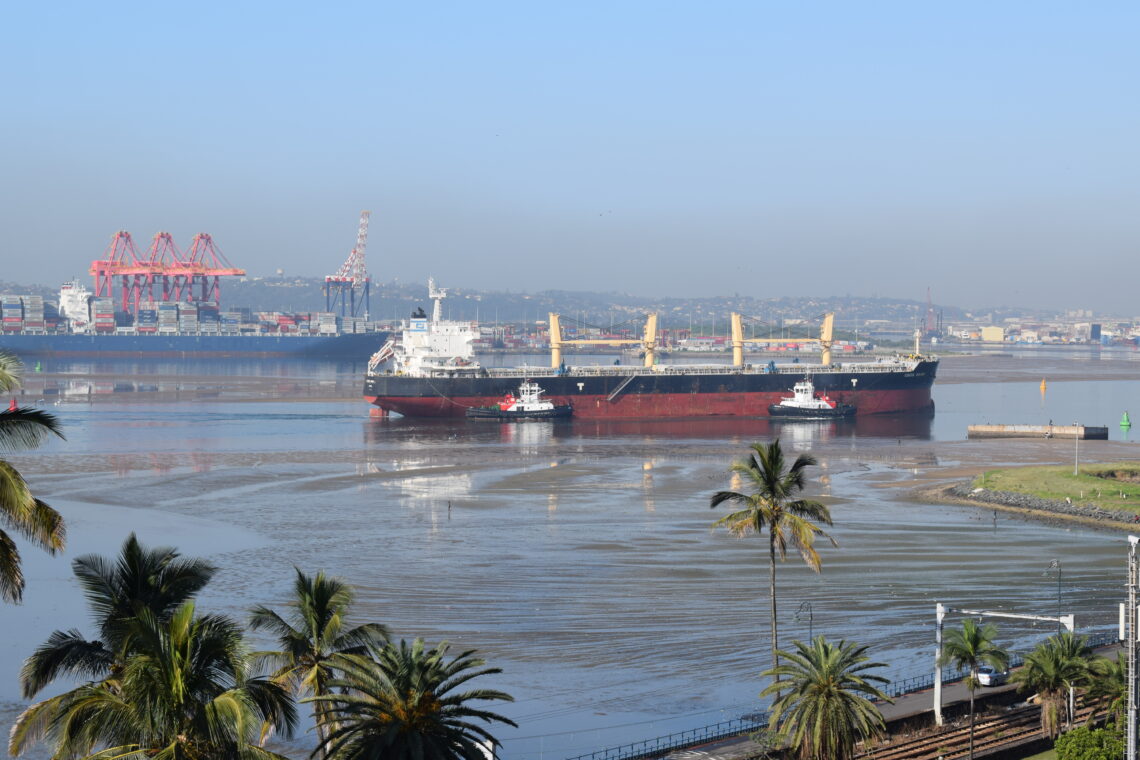
Margaret Mncadi Avenue is the six-lane road beside the harbour in Durban, its north and south carriageways separated by tall coconut palms. It used to be called Victoria Embankment. Naming and renaming has the potential to be part of a process of decolonisation. Names of public spaces can be celebratory, educational, affirming and unifying. There was virtually no public education about the 'new' names when the process started. Here is the little I found about Margaret Mncadi...
-
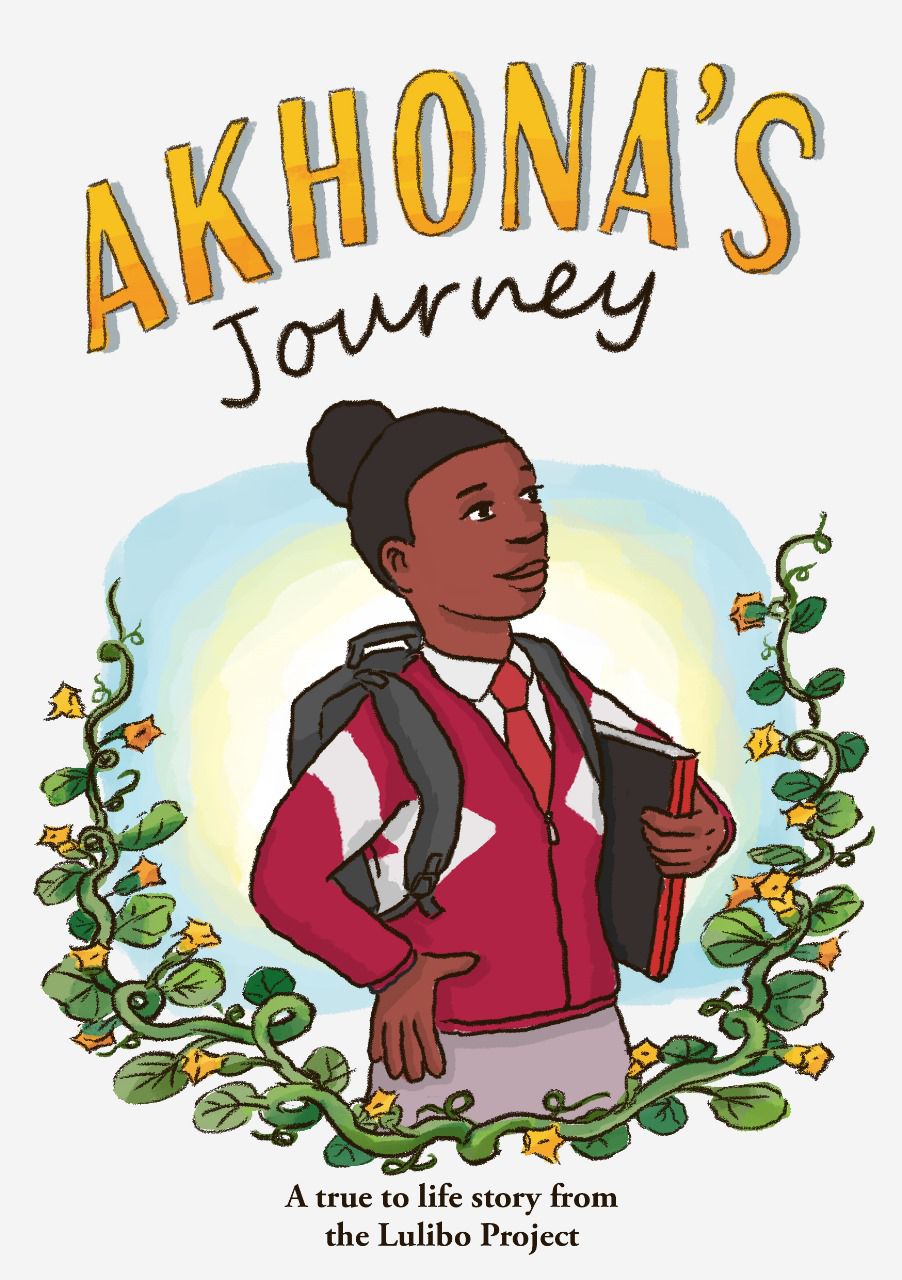
Akhona’s Journey
Akhona's Journey takes her through many traumatic experiences, including betrayal by someone she trusted. Will anyone step up for her as she faces life or death decisions? Find out in this seven-part animated video series and story book. Buy the book and receive a free resource pack for educators.
-
Observance
In memory of Nduna Mvelase, Msinga
-
Lament for the wall that kept no one out
Cities are networks of crossed lines and parallel lives. How we travel - on foot, by train, by ship, taxi or car - determines who we meet. The Parallel Lives blog reflects on how lives intersect around the harbour, the railway line, the inner city and the beachfront of Durban. Read more here
-
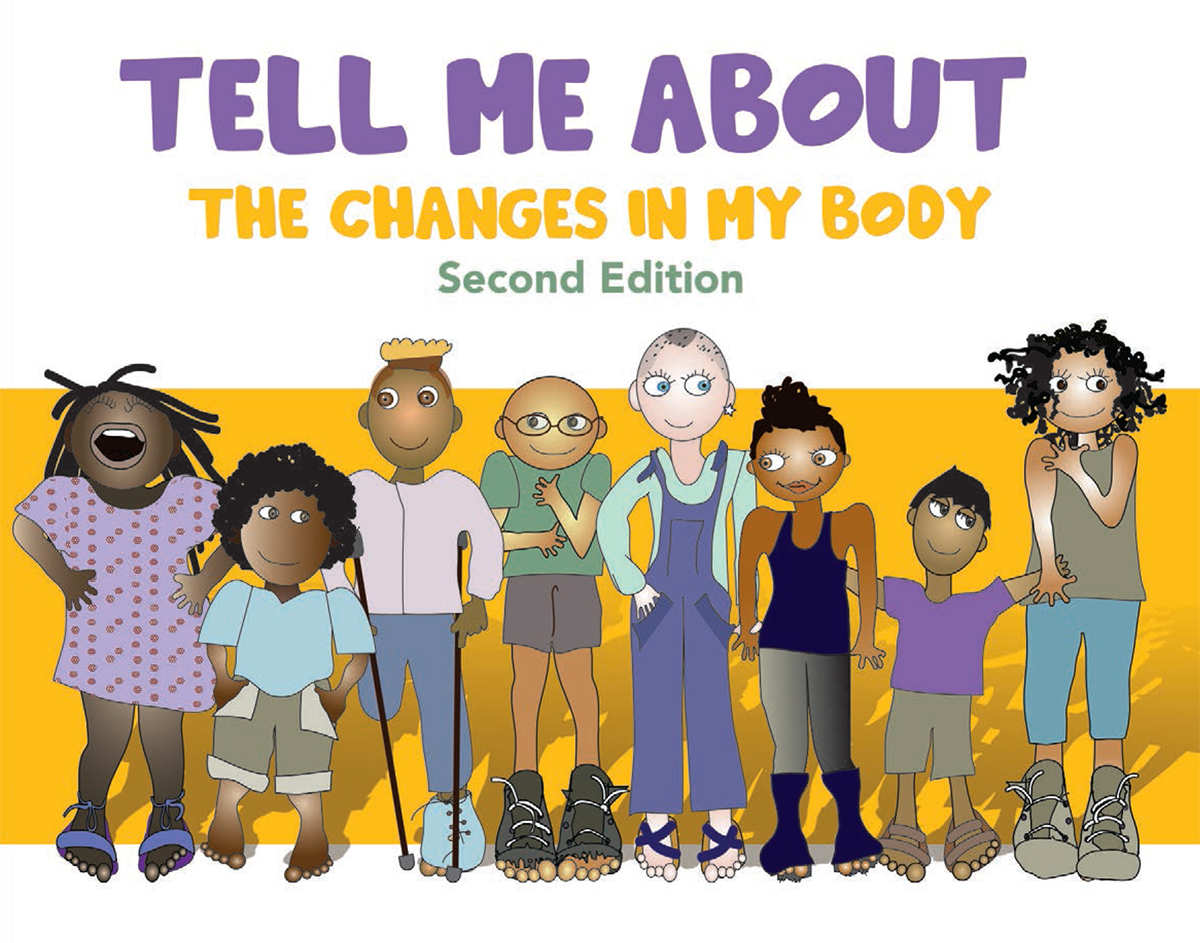
Tell me about the Changes in my Body
Tell Me About the Changes in My Body is a book to help children and adults have positive conversations about puberty and adolescence. Written in plain language, by Saranne Meyersfeld and Deborah Ewing, it features light-hearted illustrations, to convey key ideas and concepts. It shares facts about every aspect of puberty with positive messages about inclusion, diversity, body image and celebration of change. The book is focused on children aged 9-14 years but the content is useful for older adolescents, parents, caregivers, health and social workers, and educators. Talking about sexual development can be awkward. Not talking about it can be extremely harmful.
-
Broken Promise
The poem Broken Promise featured in Voices, an anthology of poems and artistic work by South African poets and artists, expressing solidarity with the Palestinian people in their struggle for freedom, justice and sovereignty.
-
Kingfisher
A small brown-hooded kingfisher that often visited our South Durban garden fell one morning from the sky. What a dull and and unjust name for a bird of such resplendent plumage.